 Open Blixnex
Usable artifacts
Turn broad objectives into working pages, product flows, demos, and deployed proof.
I build AI-assisted systems that combine LLMs, APIs, automation, and thoughtful product design to solve real business problems. My focus is reliable, polished, understandable software — not just generating code faster.
"Applied AI is where I naturally spend my time: useful products, customer workflows, quality, and practical implementation."
I start with the bottleneck: what is slow, unclear, repetitive, or expensive for the people doing the work?
Build the workflow, verify the output, learn from usage, and improve the product.
Working software matters, but so do polish, clarity, reliability, screenshots, tests, and review notes.
"One thing I appreciated from today's conversation was seeing how Clarity AI approaches enterprise AI differently."
Rather than selling isolated AI features, Clarity gives organizations a way to build AI solutions inside their own environment.
The platform respects infrastructure ownership, data boundaries, and model choice — the details that matter in enterprise work.
Engineers solve customer problems while continuously improving the platform through real implementation.
I enjoy understanding how businesses operate, identifying bottlenecks, and building practical systems that improve the way people work.
What stood out during today's conversation was how closely that matches the way I already approach product development: work directly with real problems, improve the product through use, and take ownership of outcomes.
I enjoy building products that people actually use. Speed matters. Quality matters. Clear communication matters. Good software is more than working code — it should solve real problems while feeling polished and trustworthy.
"Jason asked to see the other products. These are the clearest current examples of how I think through applied AI, workflow design, and product quality."
AI platform work for local service businesses: customer communication, workflow automation, demo rendering, and operational efficiency.
AI-assisted trading workflow platform focused on structured execution, dashboards, analytics, and journaling concepts.
Supporting artifact for project structure, technical work, and the engineering process behind the products.
"Blixnex is my main applied AI product environment for local service businesses: customer communication, workflow automation, operational efficiency, and polished software that feels trustworthy to the people using it."
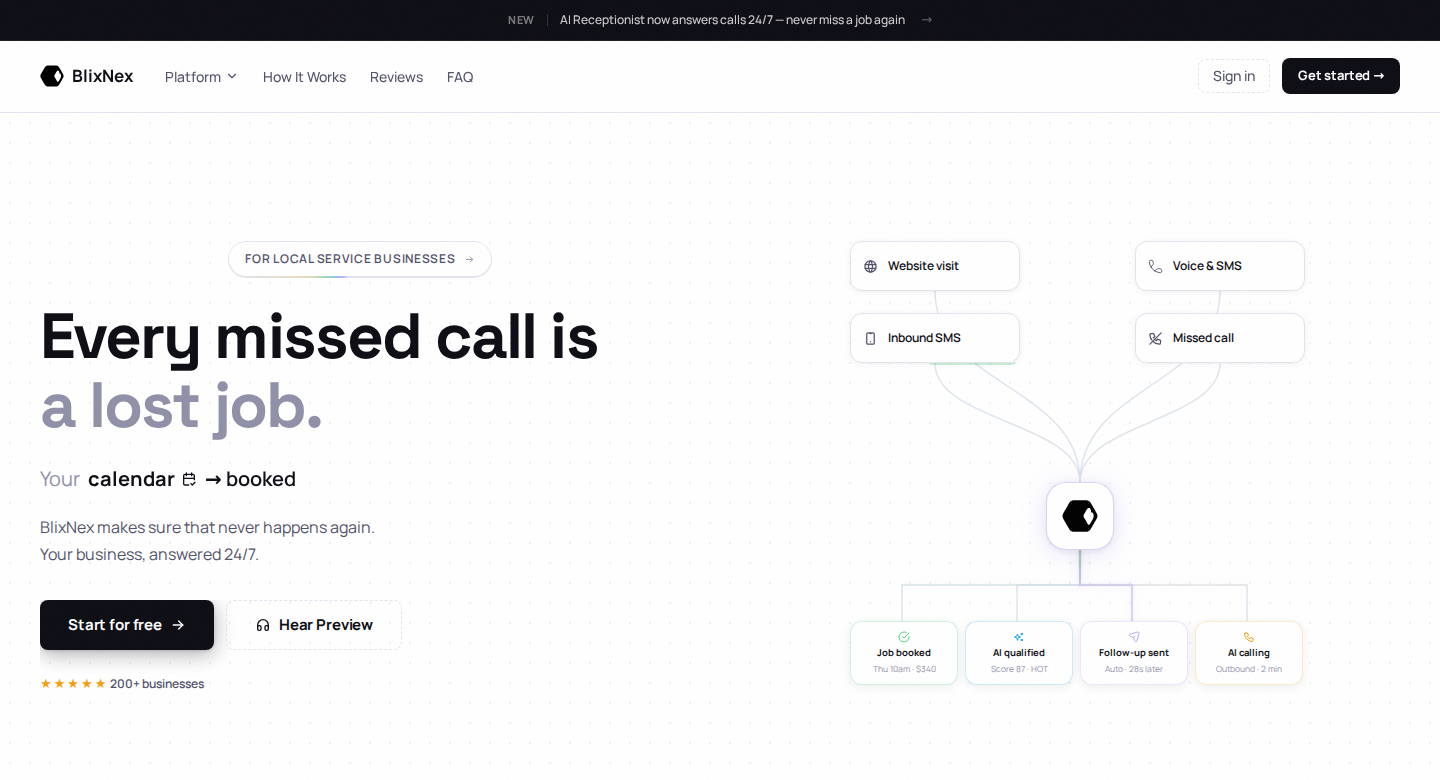
Chat, SMS, and receptionist concepts designed around real service-business response gaps.
Booking, follow-up, lead handling, and automation patterns that reduce manual work.
I care as much about product quality, clarity, and polish as I do technical implementation.
"BlixFlex explores AI-assisted trading workflows and financial decision support through structured execution, journaling concepts, dashboards, analytics, and workflow automation."
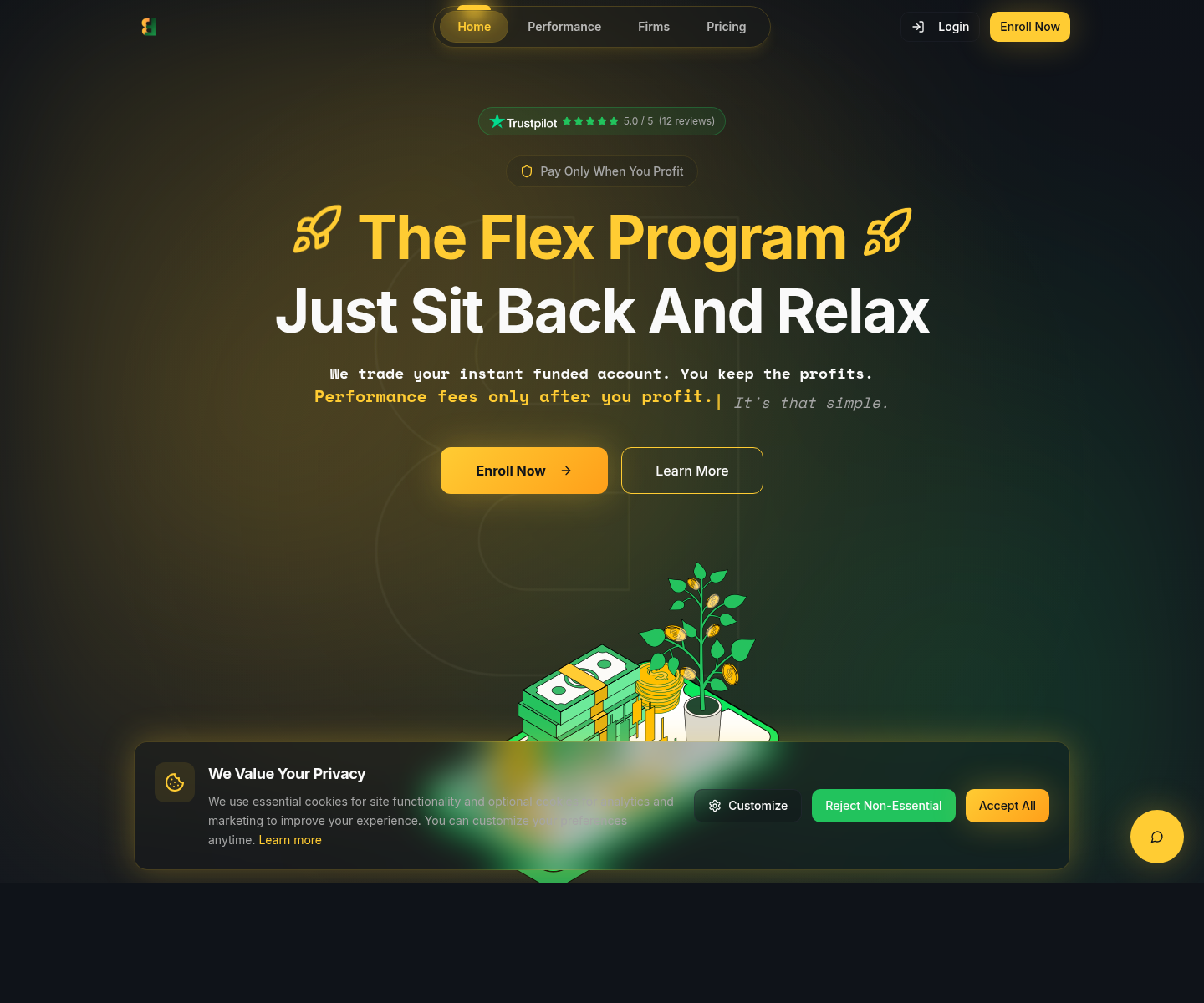
Explores workflows that help traders plan and review decisions more deliberately.
Another product surface for combining data, interface design, and automation into useful workflow software.
A separate product experiment beyond Blixnex, not financial advice and not a claim of trading performance.
"The hero shows the live terminal feel. This map shows the system: objective → orchestration → execution → verification → review."
Hermes is my Telegram-connected orchestration agent running on my VPS. It coordinates Claude Code and Codex, checks outputs, verifies tests and screenshots, updates project tracking, and reports back in simple English.
// Framing note: this is my personal applied AI development workflow, not a claim of enterprise production infrastructure.
"I built a system that generates high-fidelity demos for Blixnex. This render is a feature, not a separate product."
A generated website preview for an HVAC concept, built as a Blixnex feature.
Business direction to polished visual demo with screenshots and review notes.
Demo artifact, not a live customer site. Some imagery is placeholder.
"I don't measure progress by lines of code. I measure it by working software, verification, review artifacts, screenshots, documented improvements, and reliable iteration."
Turn broad objectives into working pages, product flows, demos, and deployed proof.
Validate links, layouts, screenshots, responsiveness, and behavior before calling work ready.
Use feedback, visual QA, and documented gaps to make the next version better.
Explain what changed, what passed, what remains uncertain, and what should happen next.
GitHub is one supporting artifact. The stronger signal is the engineering workflow behind the work: planning, implementation, verification, iteration, documentation, and continuous improvement.
Comfortable in fast-moving environments where AI is part of the engineering process, not a shortcut around judgment.
Move quickly while validating outputs, testing assumptions, and documenting changes.
Connect technical implementation to business outcomes, user experience, and operational reality.
Explain technical work in practical language that customers and teammates can understand.
Enterprise AI, customer-owned infrastructure, model flexibility, secure deployment patterns, and the engineering judgment needed to make practical AI reliable and useful.
"Practical AI, customer problems, and products that improve through use."
Today's conversation reinforced why Clarity AI is exciting to me: the work sits at the intersection of enterprise needs, hands-on engineering, customer bottlenecks, and platform improvement.
Email: billkadurujbs@gmail.com